Walmart

The Walmart project aimed to revolutionize the in-store pickup experience for customers in Mexico using their mobile app. This initiative was part of a broader strategy to enhance customer service in major retail locations across North America, with a specific focus on the Mexican market.
This UX case study will follow a step-by-step approach. First, we're going to learn a lot about what people in Mexico need and what issues they're facing when using the Buy Online/Pick Up in Store (BOPS) service. That's the discovery phase. Once we figure out the problems, we'll move to the define phase, where we'll find simple and smart ways to make the BOPS experience better. After that, we'll get into the design phase, where we'll plan how these solutions will actually work. Then comes the development phase, where we put these plans into action and make things happen. But here's the cool part – we won't just stop there. We'll keep listening to what people say and keep making improvements. That's the evolve stage. Our main goal is to not only fix current issues with BOPS in Mexico but also keep making it better based on what people want.
The primary objectives of this research are to examine the shopping behaviors and preferences of mobile phone users, particularly those engaged with internet and social media platforms, to understand their communication habits and experiences with the Buy Online/Pick Up In Store (BOPS) service provided by "Walmart." By analyzing behavior patterns, the research aims to uncover insights into how "Walmart's" users interact with digital interfaces throughout their shopping journey, focusing on app-based communications, social media interactions, and online shopping behaviors. The ultimate goal is to use these data-driven insights to refine and enhance "Walmart's" pickup experience in Mexico, ensuring alignment with the expectations and habits of its digitally savvy customer base.

Immersion
Competitive Analysis
Questionnaires and Interviews
Self-Documentation
Meetings
UX Observation
Immersion into Instore pickup experience at Walmart
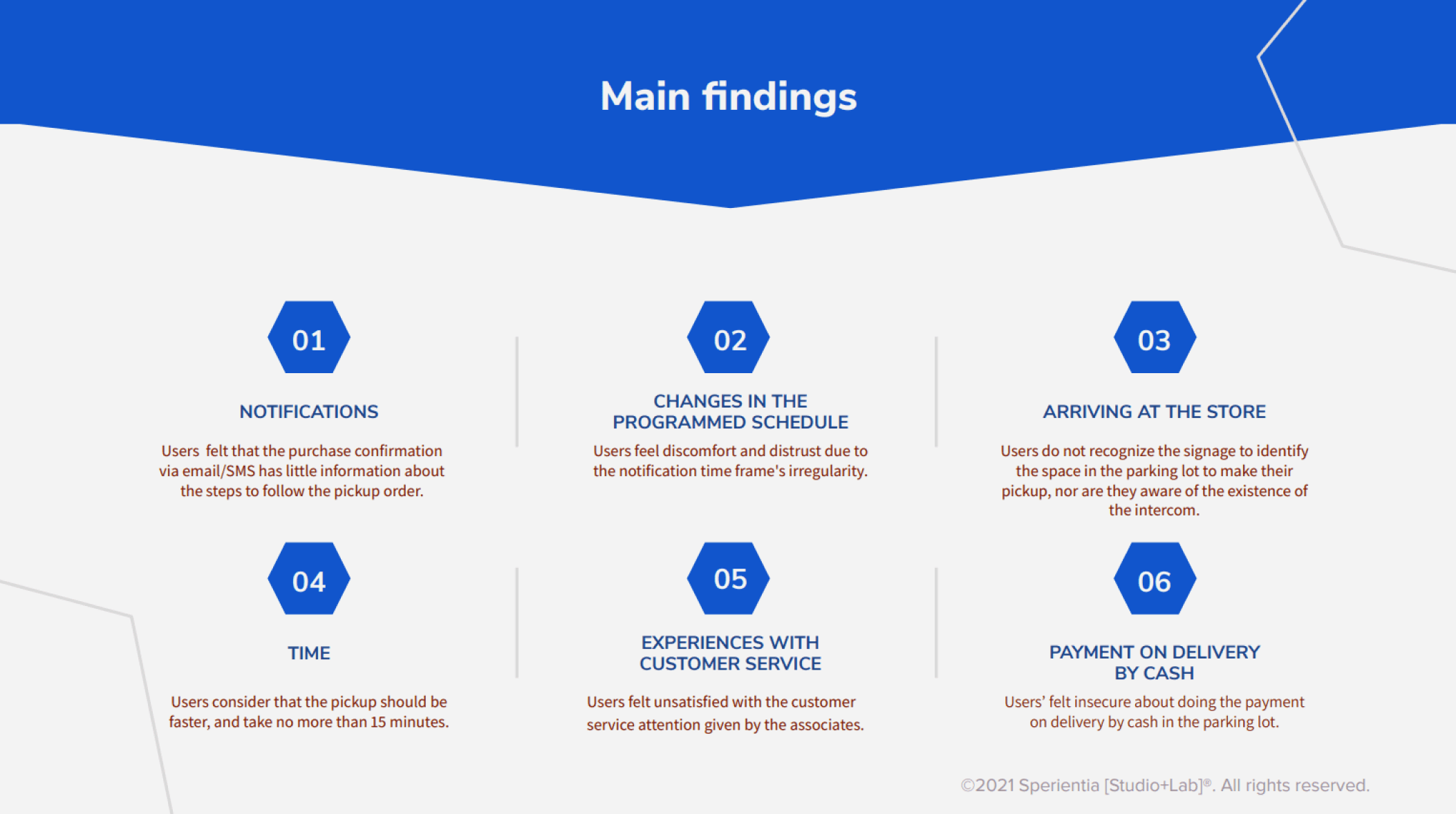
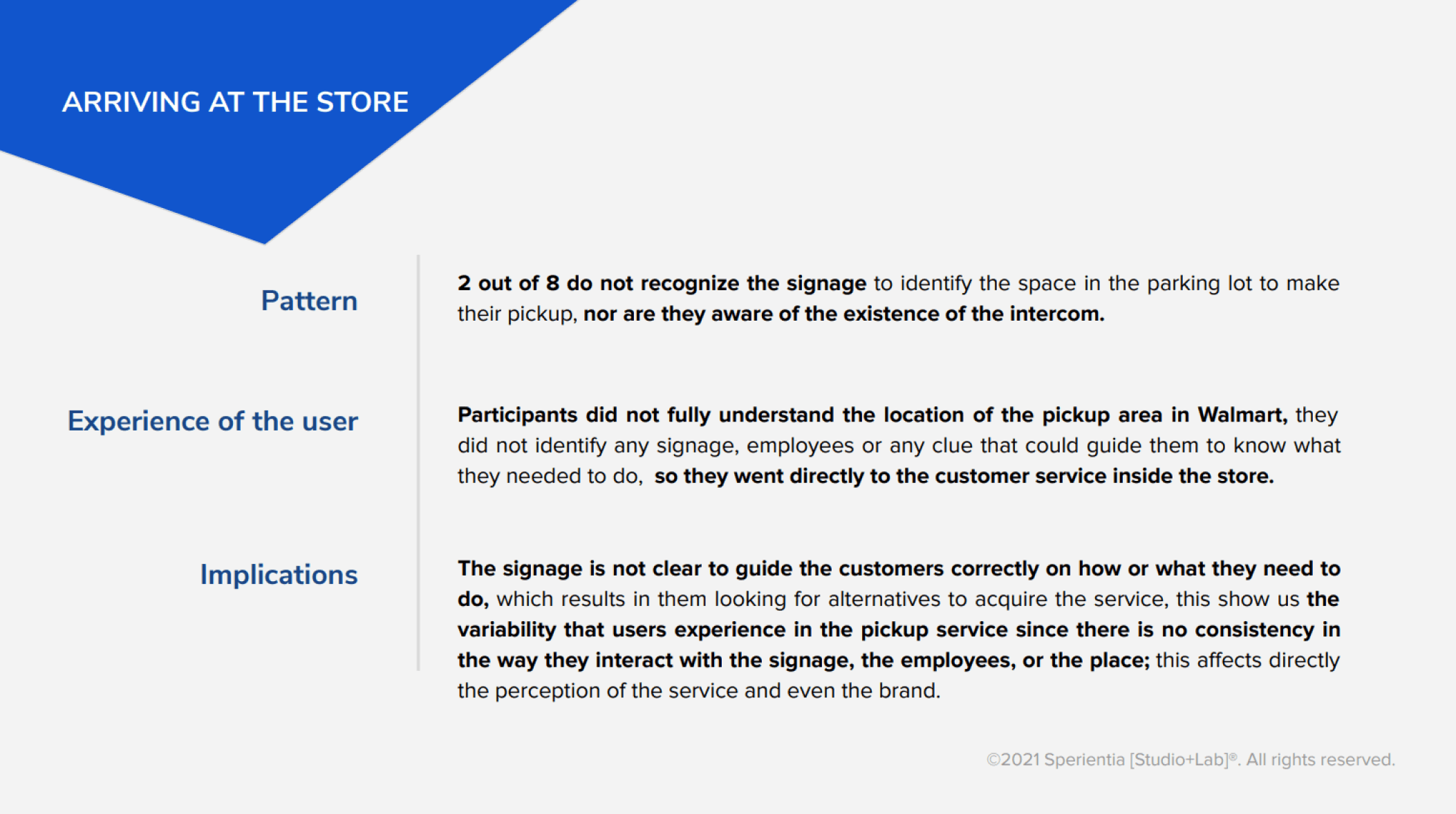
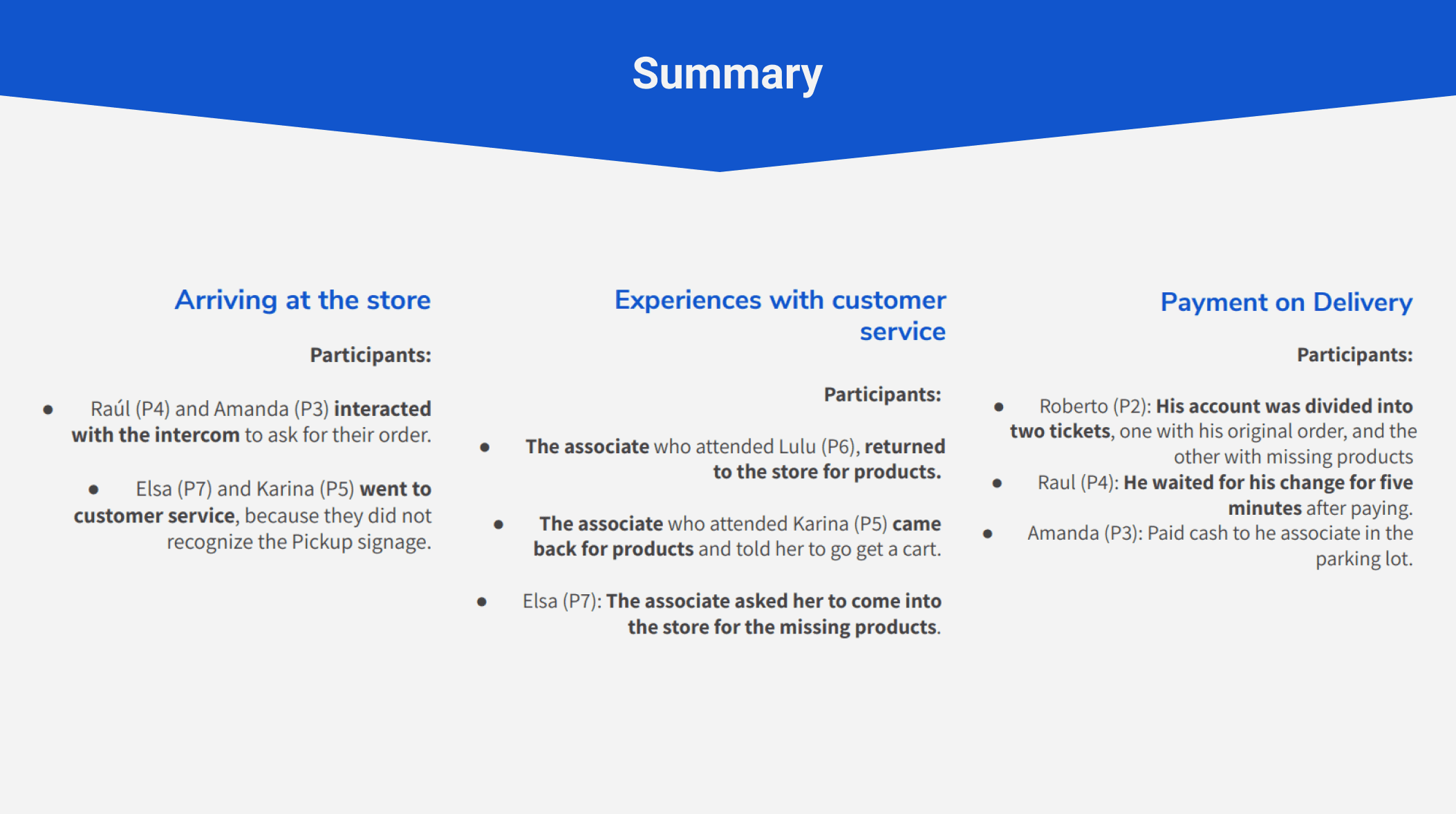
The current order pickup system faces multiple challenges, leading to user dissatisfaction and trust issues. Users expressed frustration with the lack of transparency in the order fulfillment process, uncertainty about where to pick up items in-store, difficulties in communication with the store upon arrival, concerns about missing or incorrect items, and issues related to product quantity and substitutions. Additionally, users desire more flexibility in scheduling pickups, and there are worries about the handling of frozen foods.
In other words, the existing order pickup system lacks clear communication, transparency, and user-friendly features, resulting in a diminished user experience. To address these issues, there is a need for an improved mobile app solution that enhances transparency in the order fulfillment process, provides clear guidance for in-store pickups, facilitates seamless communication between users and the store, ensures accurate item verification, allows for flexible scheduling, and instills confidence in the handling of temperature-sensitive items.
What is Reserve Online, Pickup In-Store?
Store Pickup allows online shoppers to make orders online without immediate payment, then touch and feel the ordered products in the physical store.
He/she experience instant gratification, avoid shipping and delivery changes
Depending on the system, the customer may pay before or after they get their order.

The customer does not pay for the product until he is sure that the product meets his requirements. If disappointed, the customer can cancel the order at the store without extra losses. Conversely, BOPS requires the customer to pay at the moment of ordering online, so he cannot obtain the refund immediately and conveniently even realizing that the product does not fit him when picking it up in store. For example, it takes six to nine business days to process a refund for Best Buy and up to ten days for Home Depot.
Although BOPS consumers still need to go to the store after making their purchases online, the process is different from buying in-store; for example, BOPS consumers do not search for products in-store because their orders would already have been picked and packed by store staff. Therefore, the BOPS hassle cost hb differs from the store and online hassle costs hs, ho.


Research Insights on Mobile and Social Media-Engaged Shoppers in mexico
Understanding Digital Engagement: A Focus on Mobile Pickup Experience
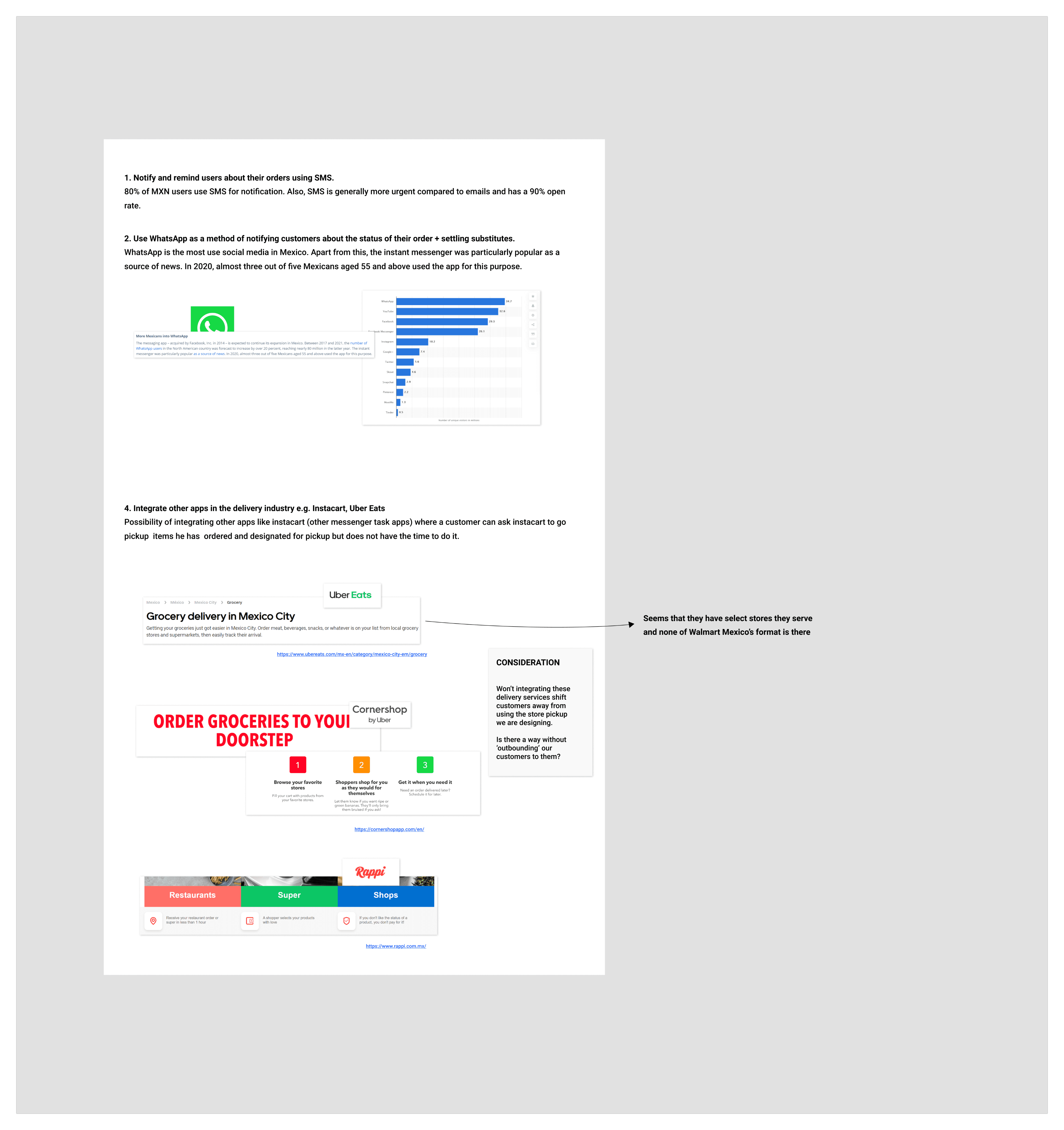
Our research targeted mobile phone users engaged with internet and social media platforms, exploring their communication habits and shopping experiences. By analyzing behavior patterns, we uncovered how "Walmart's" users interact with digital interfaces during their shopping journey. This data-driven approach provided clear insights into preferences for app-based communications, social media interactions, and online shopping behaviors.
These insights are instrumental in refining "Walmart's" mobile pickup experience to align with the digitally savvy customer's expectations. The resulting data will guide the enhancement of the app interface, optimize in-app communication channels, and improve the overall digital touchpoints of the in-store pickup process. This focus ensures that the service redesign resonates with the current trends and habits of "Walmart's" core user demographic.


Online research on Pickup Experience articles
Leveraging Scholarly Research for Enhanced User Experience
To fortify our understanding of user behaviors and design principles, we delved into a range of academic journals. These scholarly articles provided a robust theoretical foundation for our practical observations and user data, offering insights into consumer psychology, interaction design, and technology adoption patterns.
Key takeaways from the literature have been synthesized to inform our design strategy, ensuring that "Walmat's" pickup experience is not only user-friendly but also backed by cutting-edge research. This academic perspective brings depth to our case study, bridging the gap between empirical data and established UX theory. It will play a crucial role in crafting a pickup experience that is intuitive, efficient, and reflective of contemporary digital engagement trends.




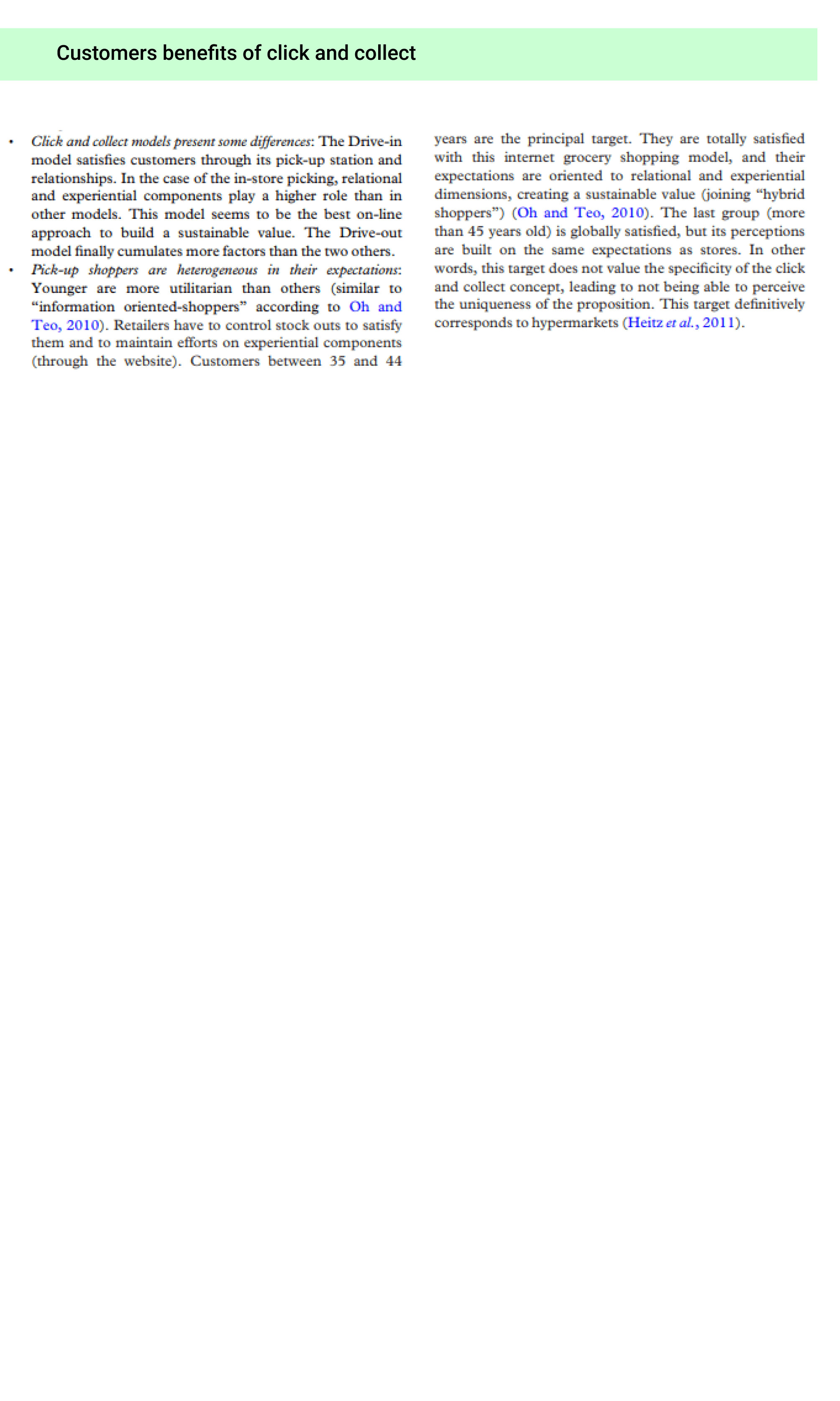

Competitive Analysis
Direct Competitor in Mexico
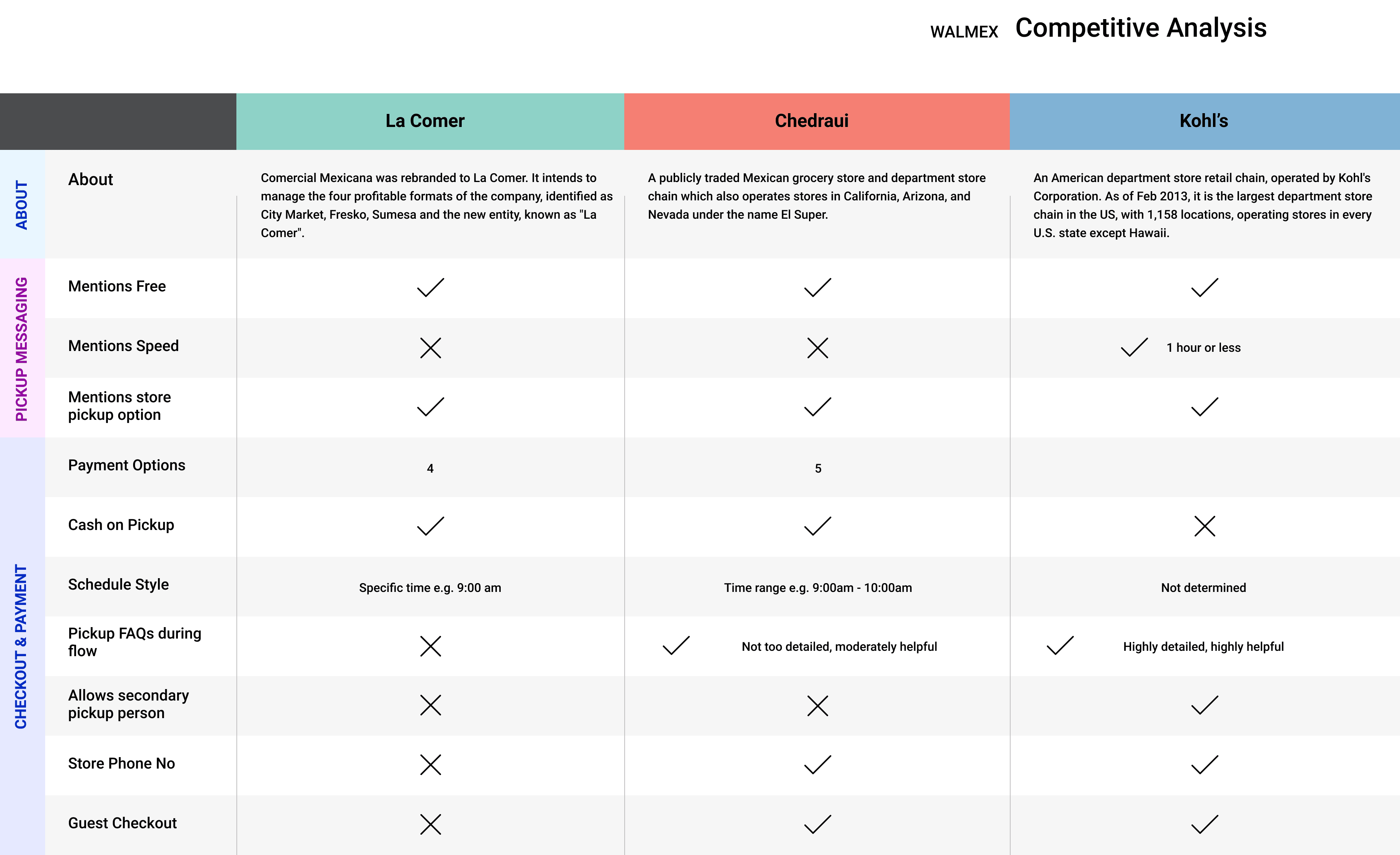
Our goal was to conduct a competitive analysis targeting department stores that have successfully implemented pickup services. We selected "La Comer" and "Chedraui" for their local market relevance and "Kohl’s" for its international perspective on pickup efficiency and customer engagement.
Key performance metrics centered on the ease of the pickup process, digital interface design, and customer satisfaction levels. Insights gained from this analysis will directly inform strategic enhancements to "Walmart's" pickup experience, positioning it as a leader in service innovation within the Mexican retail sector.


Indirect Competitor
Objective: To broaden the strategic context by examining alternative pickup and delivery flows from non-departmental retailers and digital service providers.
Our indirect analysis looked beyond department stores, examining "LEVI’S," "GAP," "ALDI," "LECLERC," "ZAPIET FOR SHOPIFY," "OCADO," "KROGER," and "Walmart US Pickup." We dissected their pickup flows to uncover innovative practices that could inform and enhance "Walmat's" service. Insights gained will help adapt successful strategies to improve the efficiency and customer experience of "Walmart's" pickup process in Mexico.
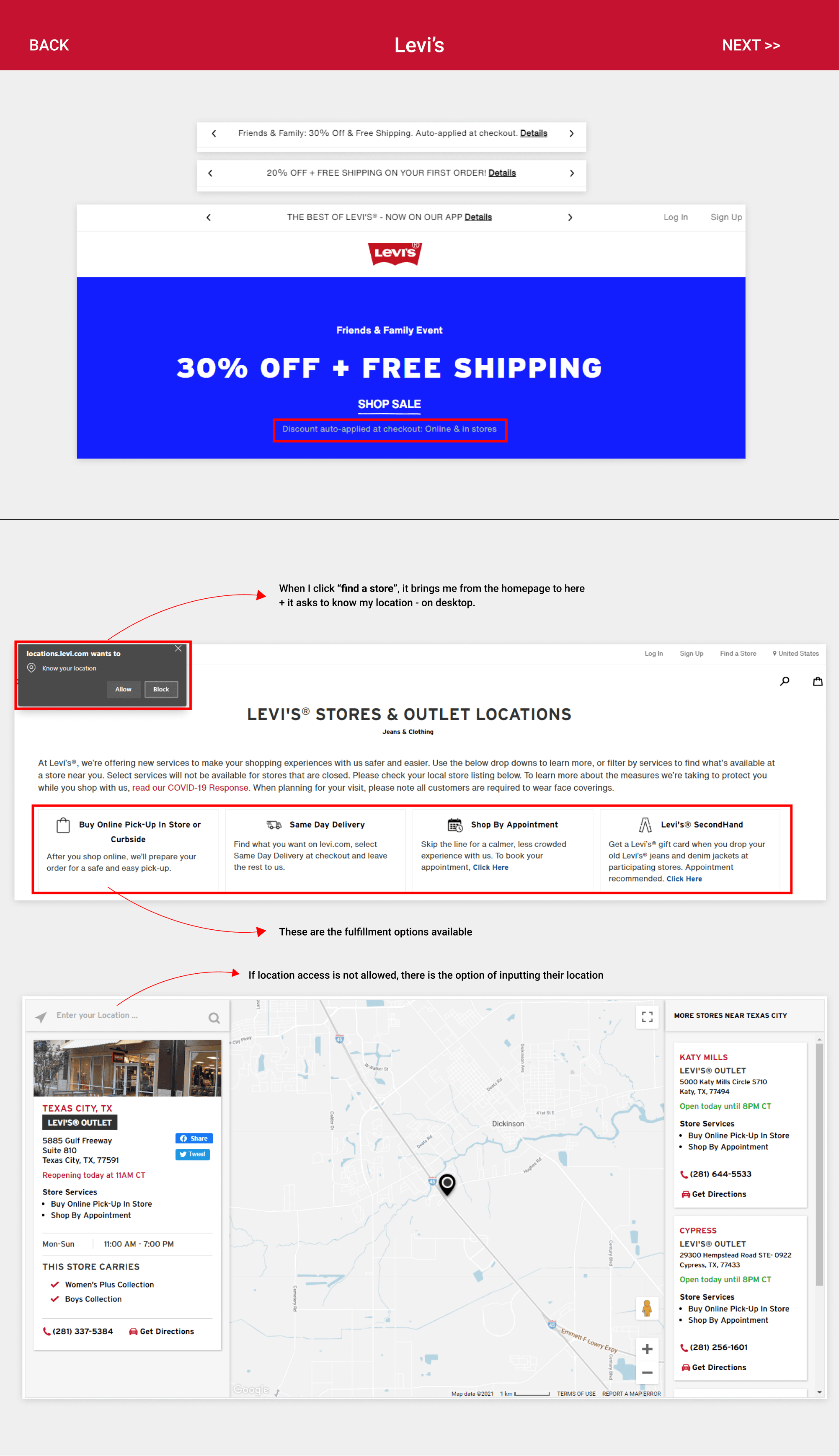
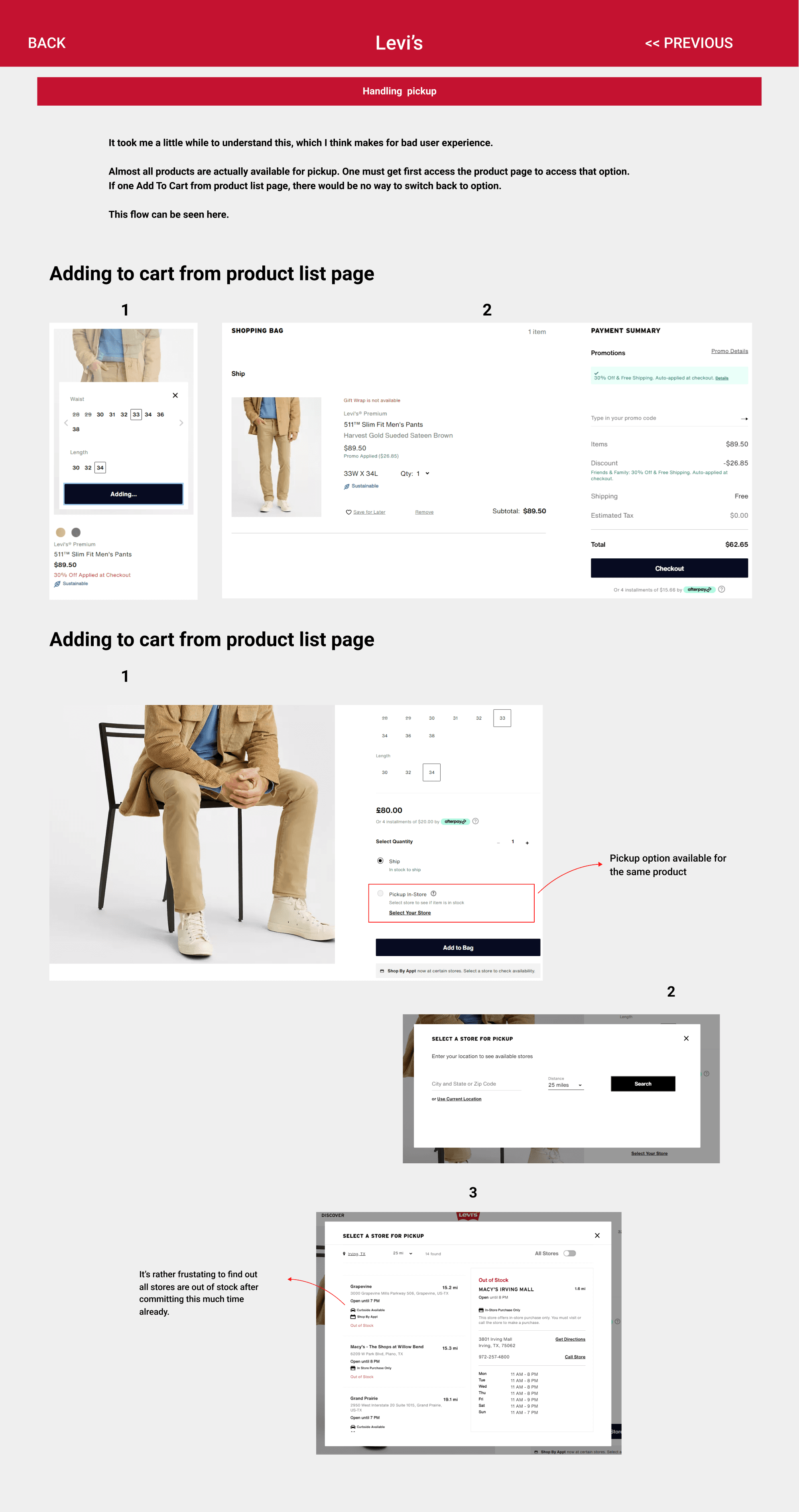
LEVI'S Pickup Flow Analysis
Simplifying Pickup: A Page from LEVI'S Playbook
Our examination of LEVI'S pickup flow provided actionable insights for "Walmat's" service enhancement. LEVI’S demonstrates a successful blend of digital engagement and efficient in-store execution. We plan to apply their best practices in clear communication and streamlined mobile interactions to refine "Walmat's" pickup experience.


GAP's Pickup Flow
Refining Convenience: GAP's Approach
Analyzing GAP's pickup process revealed a strategy that marries convenience with speed. GAP's system is designed to facilitate a swift pickup experience, minimizing customer wait times through efficient order processing. By adapting aspects of GAP's methodology, "Walmart's" can enhance its own system to deliver a similarly expedient service tailored to the fast-paced lifestyles of our customers.


ALDI's Pickup Flow
ALDI's Efficient Pickup Model
ALDI's pickup process is a testament to operational efficiency. With a focus on straightforward scheduling and clear pickup zones, ALDI streamlines the customer journey from online order to car boot. "Walmart" can draw from ALDI's logistical clarity to enhance our pickup flow, ensuring a hassle-free experience for our users.


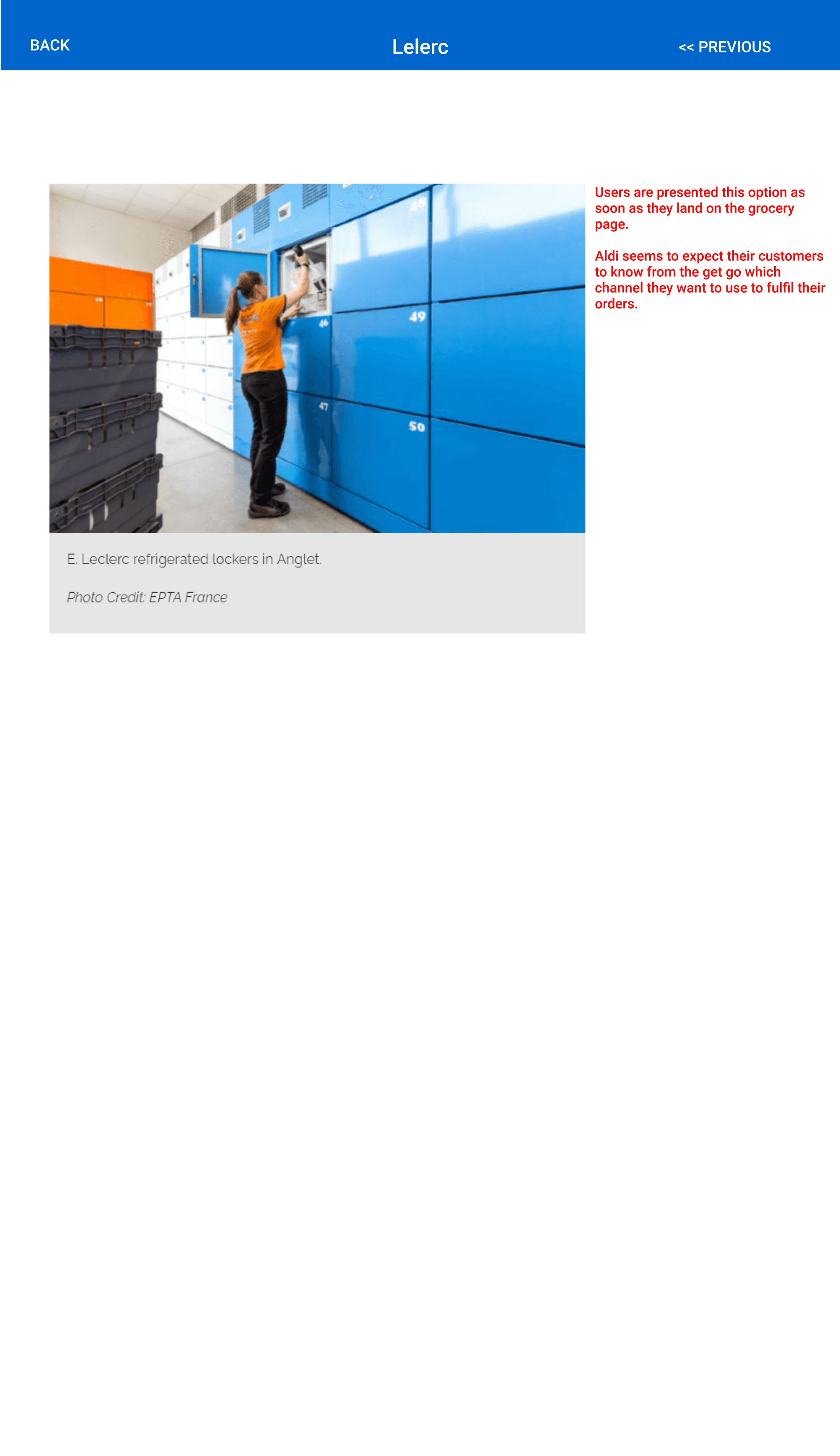
Leclerc's Pickup Flow
Customizing Pickup: Leclerc's Personal Touch
Leclerc's pickup process adds a personal touch to efficiency. Their service emphasizes customization, allowing customers to select precise pickup times and receive personalized updates. Walmart could integrate similar customization options to cater to individual preferences, boosting customer satisfaction.


ZAPIET for Shopify's Pickup Flow
Flexible Pickup with ZAPIET for Shopify
ZAPIET for Shopify showcases flexible and localized pickup options for a wide array of retailers. Their platform agility in integrating with diverse store setups offers valuable lessons for Walmart as we aim to make our pickup service more adaptable to various store environments.


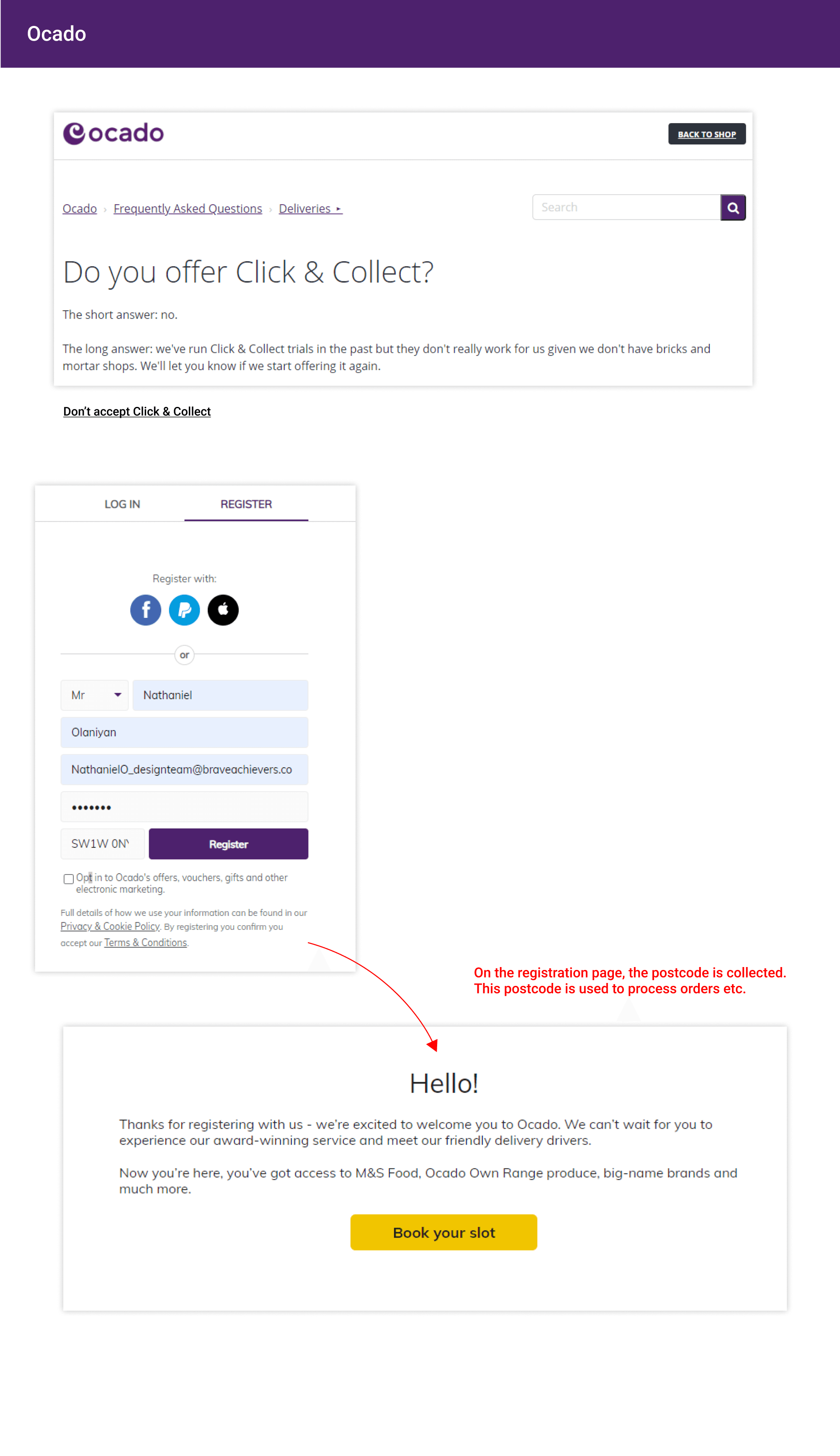
Ocado's Pickup Flow
Ocado's Technological Pickup Edge
Ocado stands out with its technology-driven pickup experience, blending automation with customer interaction. Their process, rich in data utilization and customer feedback loops, presents an opportunity for Walmart to incorporate tech-forward elements into our own pickup service.


Kroger's Pickup Flow
Kroger's Curated Pickup Experience
Kroger’s pickup service is curated to maximize customer convenience and store efficiency. Their use of dedicated pickup areas and proactive customer communication sets a benchmark for Walmart in creating a seamless pickup environment.


Insights from Pickup trends from across the World
Around the world eCommerce websites are pioneering in convenience and user interface design. Their focus on rapid fulfillment and digital integration can inspire Walmart to explore new avenues for simplifying the pickup process and enhancing user interactions.


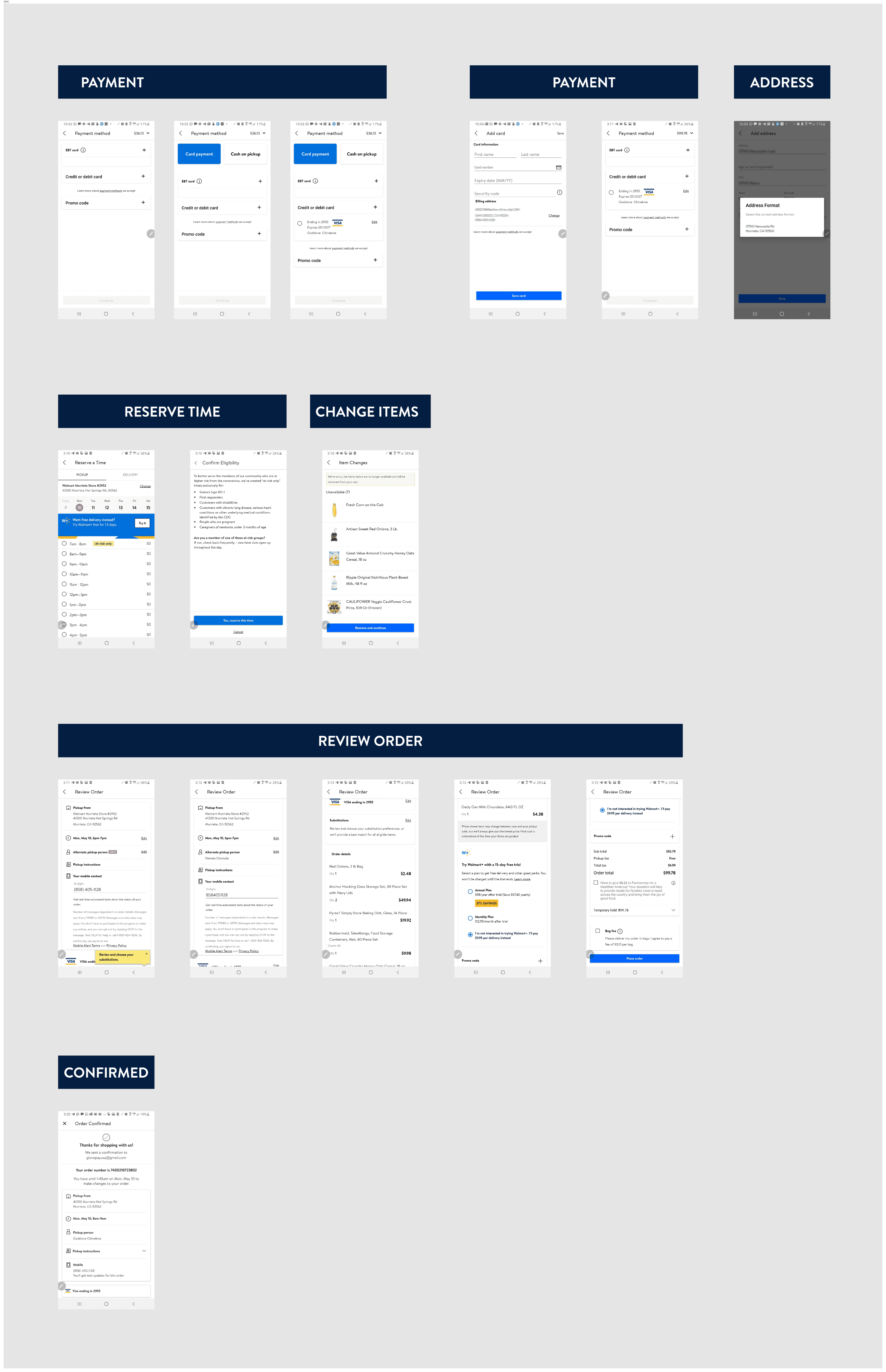
Walmart US App Flow Analysis and Customer Pickup Story
Our thorough investigation into Walmart's US app flow was aimed at uncovering any loopholes and user pain points within their pickup process. By navigating the app as a customer – from placing an order to completing the pickup – we gained insights into areas where the experience could be improved.
Navigating Pickup: Walmart US App and Customer Experience
In this section, accompanying screenshots highlight various aspects of the ordering process. These include the user interface design, ease of navigation through product categories, clarity in product information, and the checkout procedure. By examining these screenshots, we identify how Walmart's app manages user expectations and simplifies decision-making, ensuring a smooth transition from browsing to finalizing the order.

Streamlining Notification: When the Order is Ready
This section of our case study will feature screenshots illustrating how Walmart's app communicates with customers once their orders are ready for pickup. Key aspects captured in these screenshots include the design and clarity of the notification, the instructions provided for pickup, and any additional features that enhance the customer's readiness to collect their order.

Current state of pickup In Walmart Mexico
In this section, we will present screenshots depicting Walmart's app interface and guidance during the item pickup stage. These images will highlight the layout and clarity of in-app instructions, the integration of in-store navigation features, and any additional support provided to customers for a smooth pickup process.


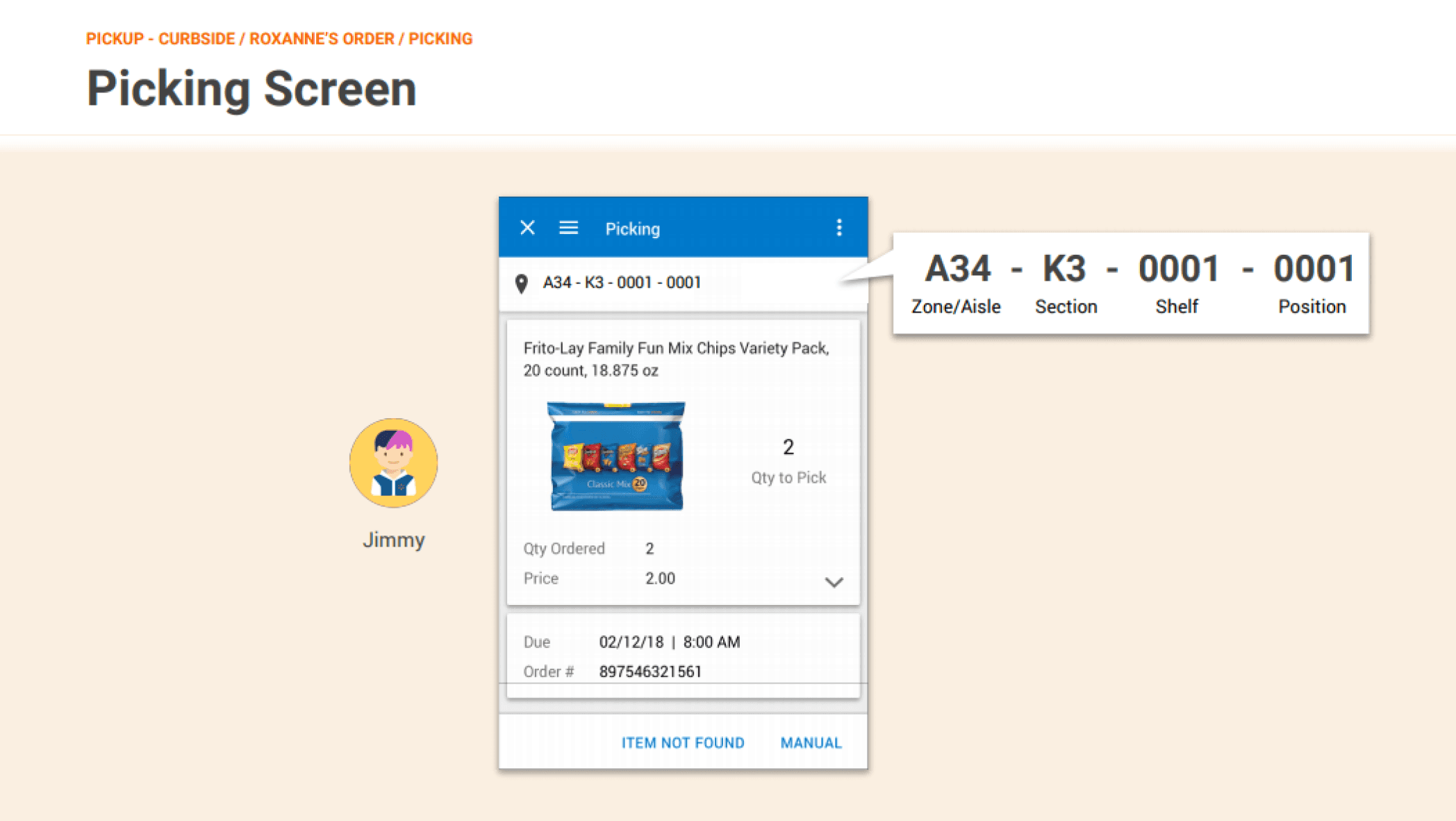
Current state of pickup In Walmart Mexico (GIF system):
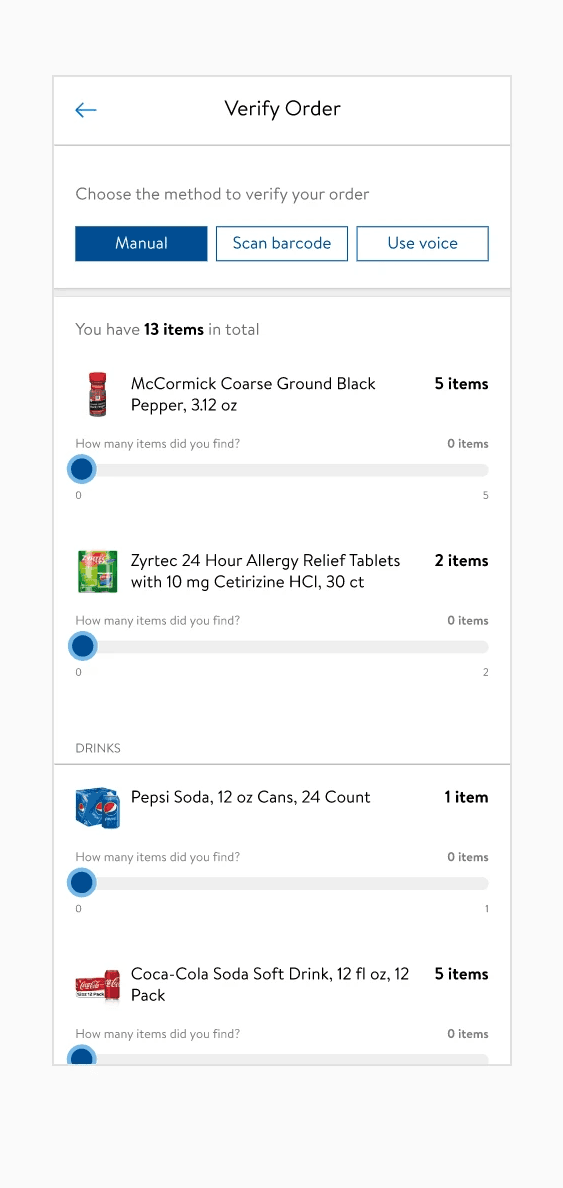
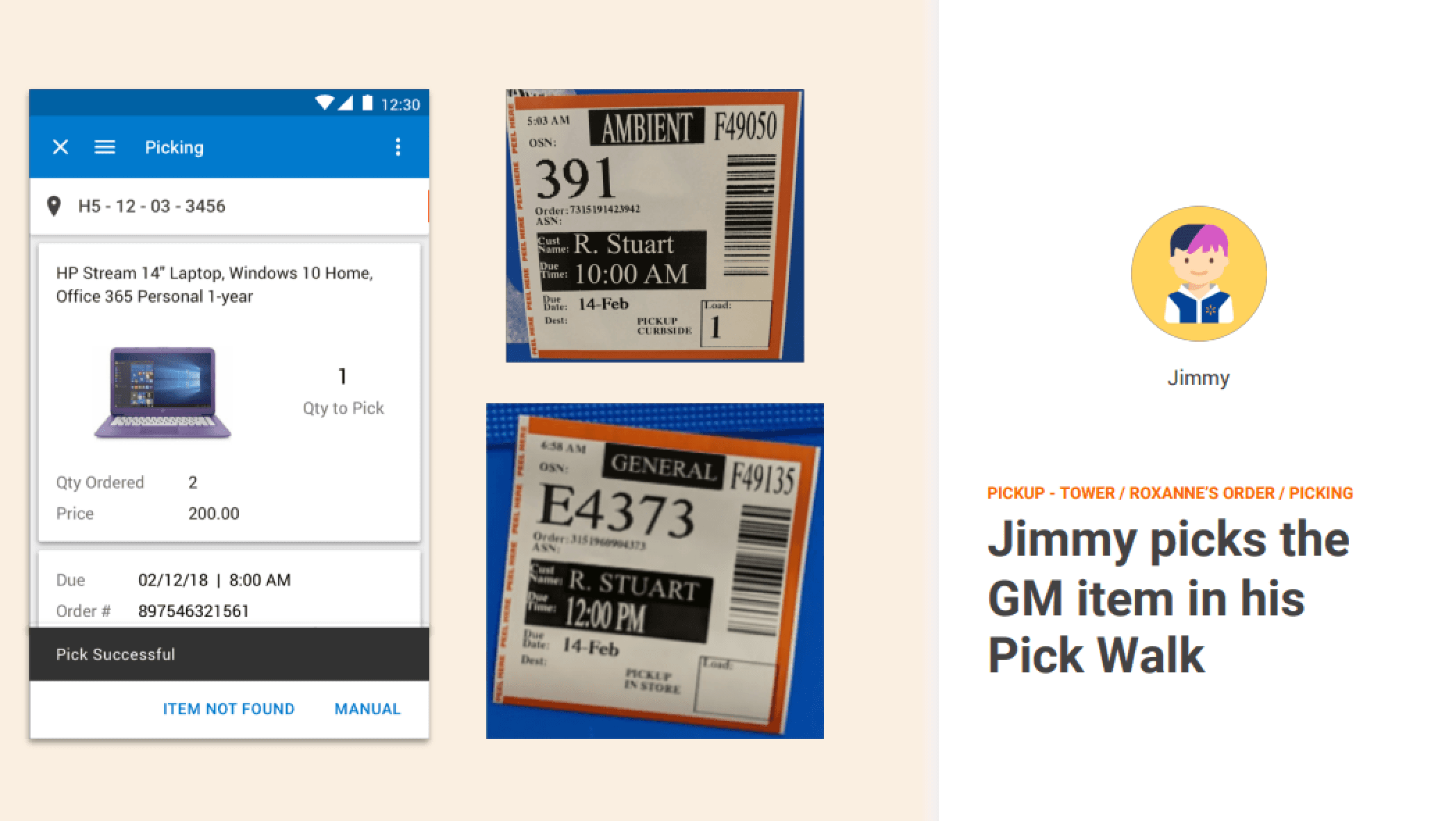
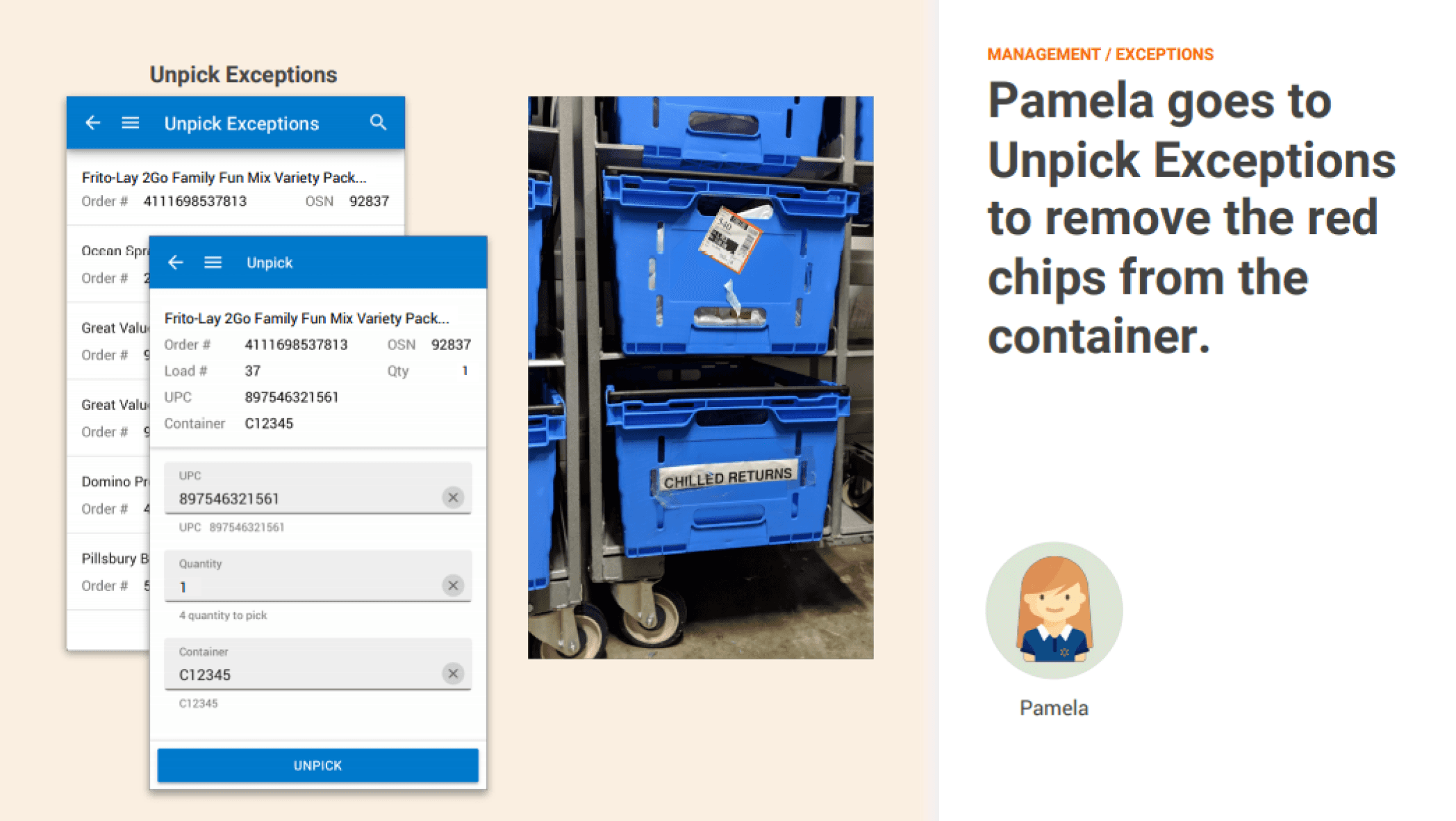
GIF, or Global Integrated Fulfillment, is a system for fulfilling online and grocery orders in select stores. Orders show details like image, price, and location. Sequencing helps map out order routes. Staging is used for scanning incoming shipments. It simplifies the process, making order fulfillment and inventory management efficient


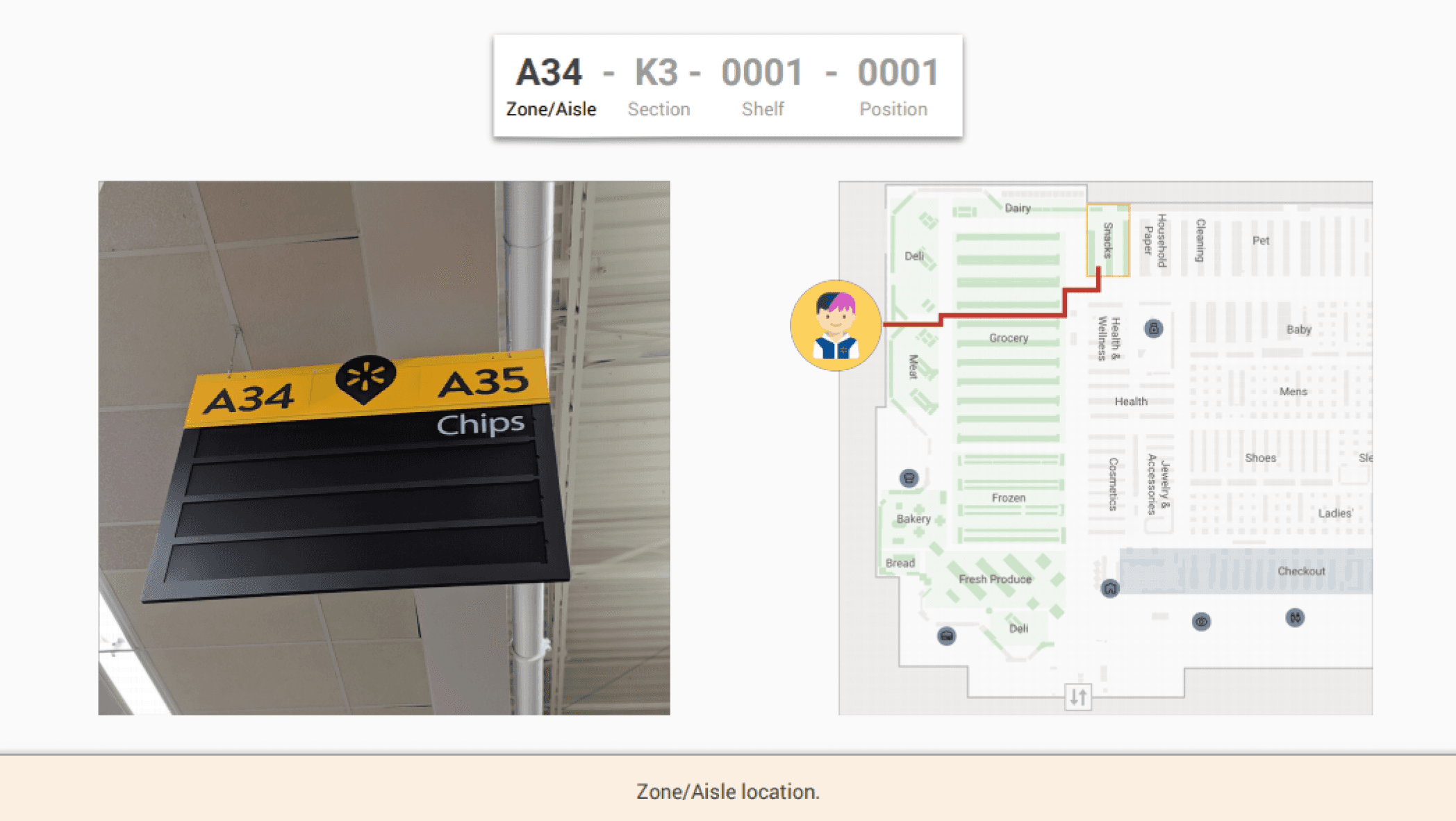
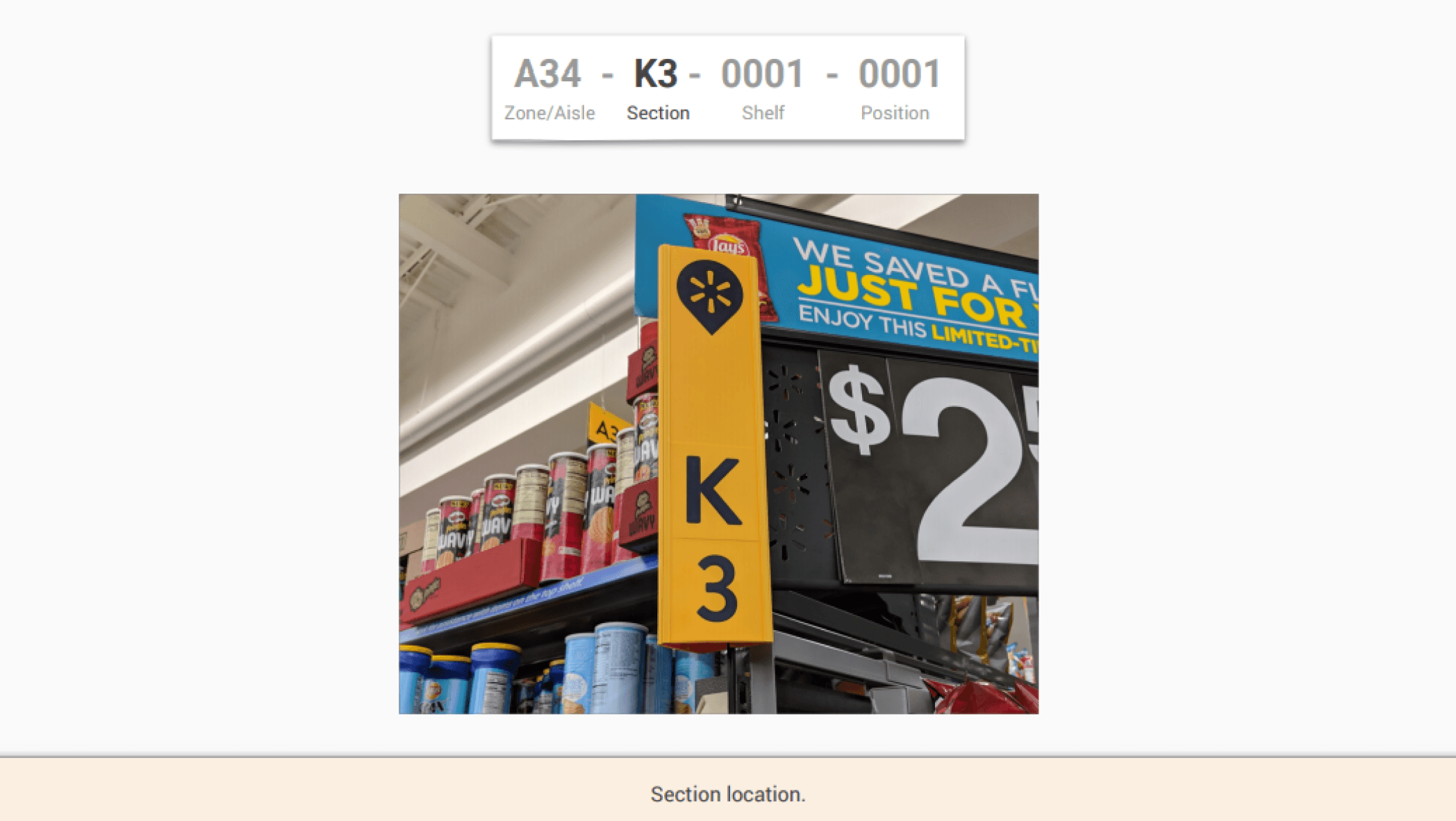


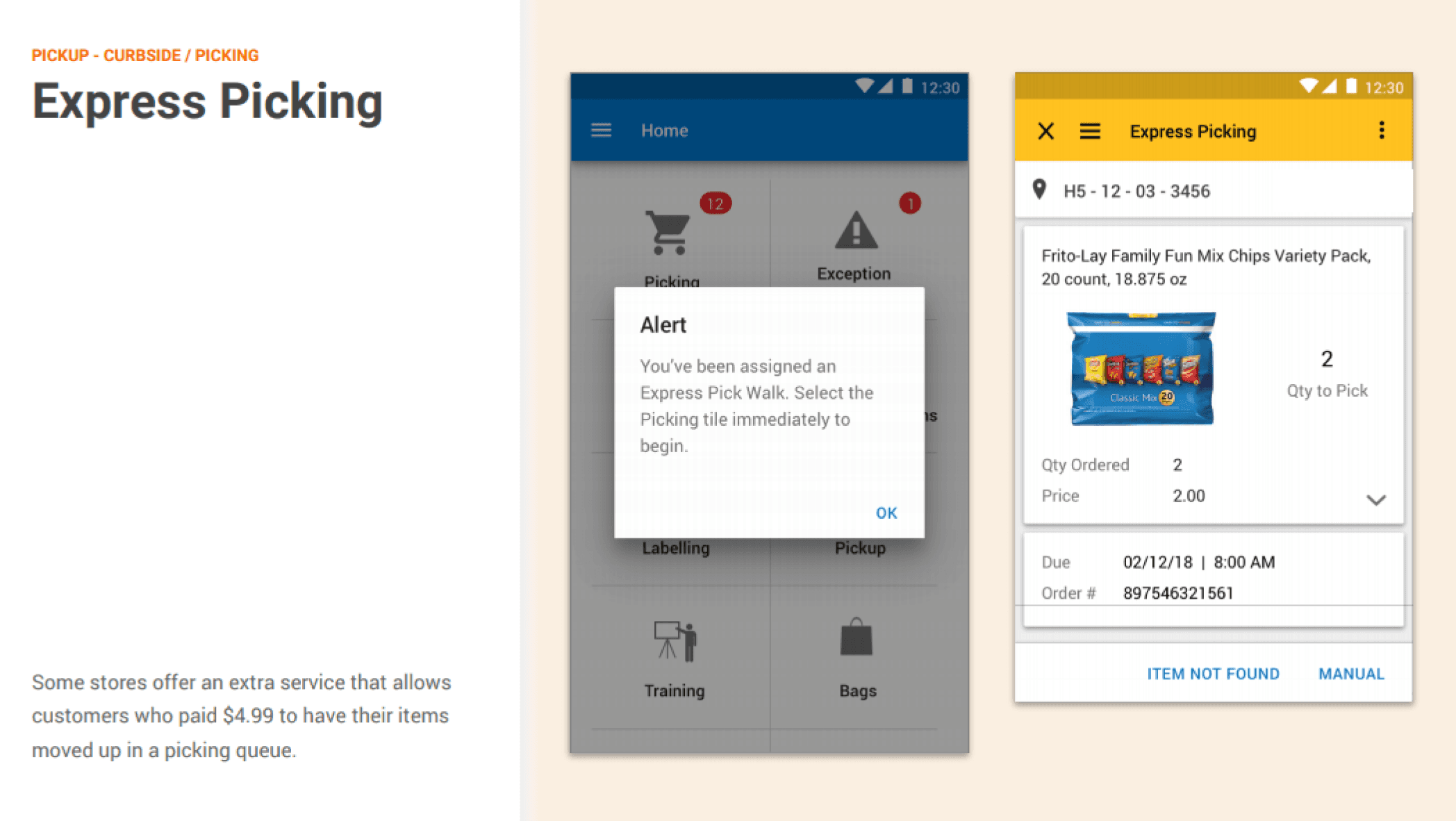


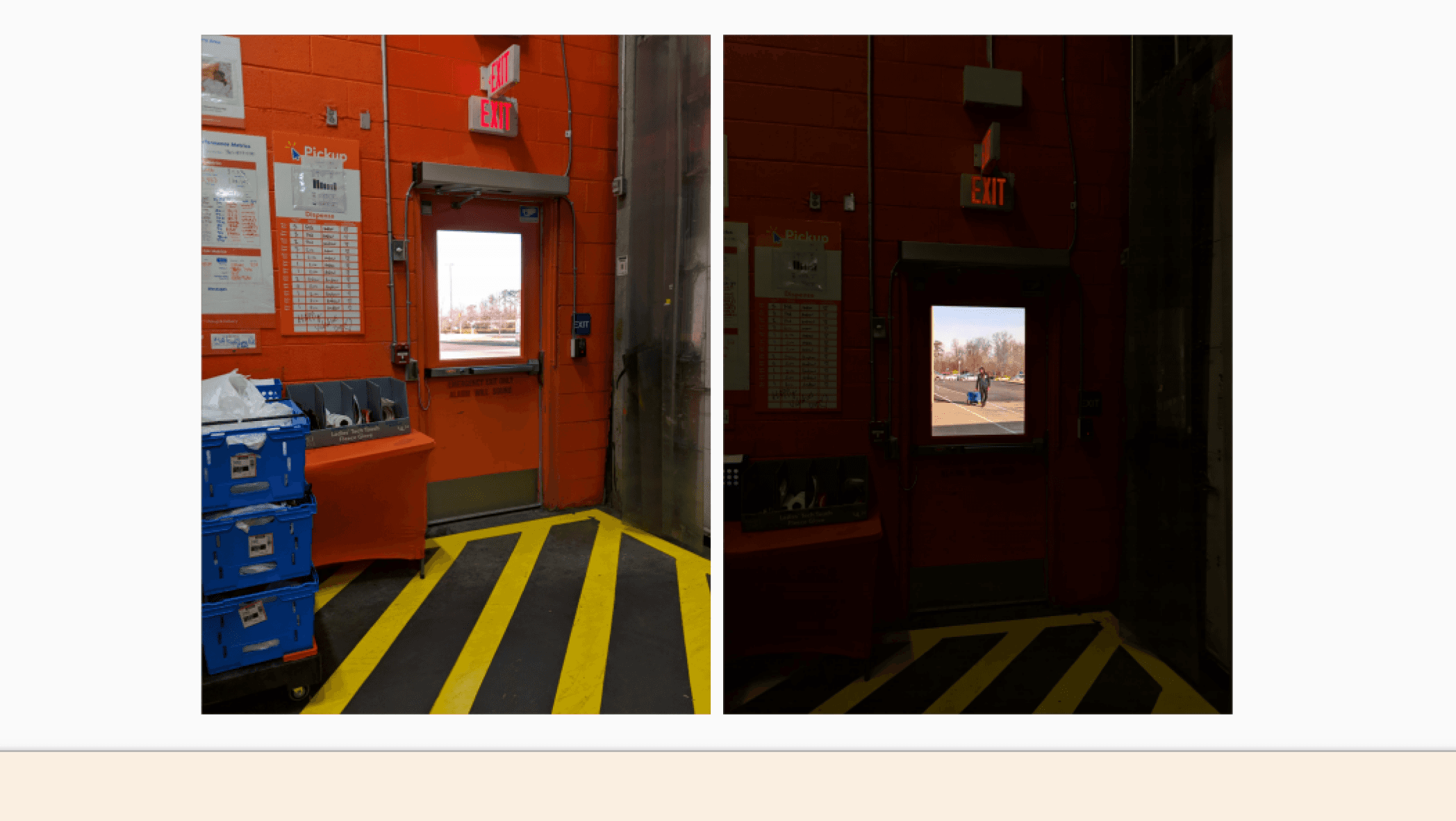








Navigation Enhancement Through Comparative Analysis
Leveraging Insights from Other Websites' Information Structures for Improved User Experience


Why: Motivation for adoption
Consumer Psychology based on Omnichannel journal
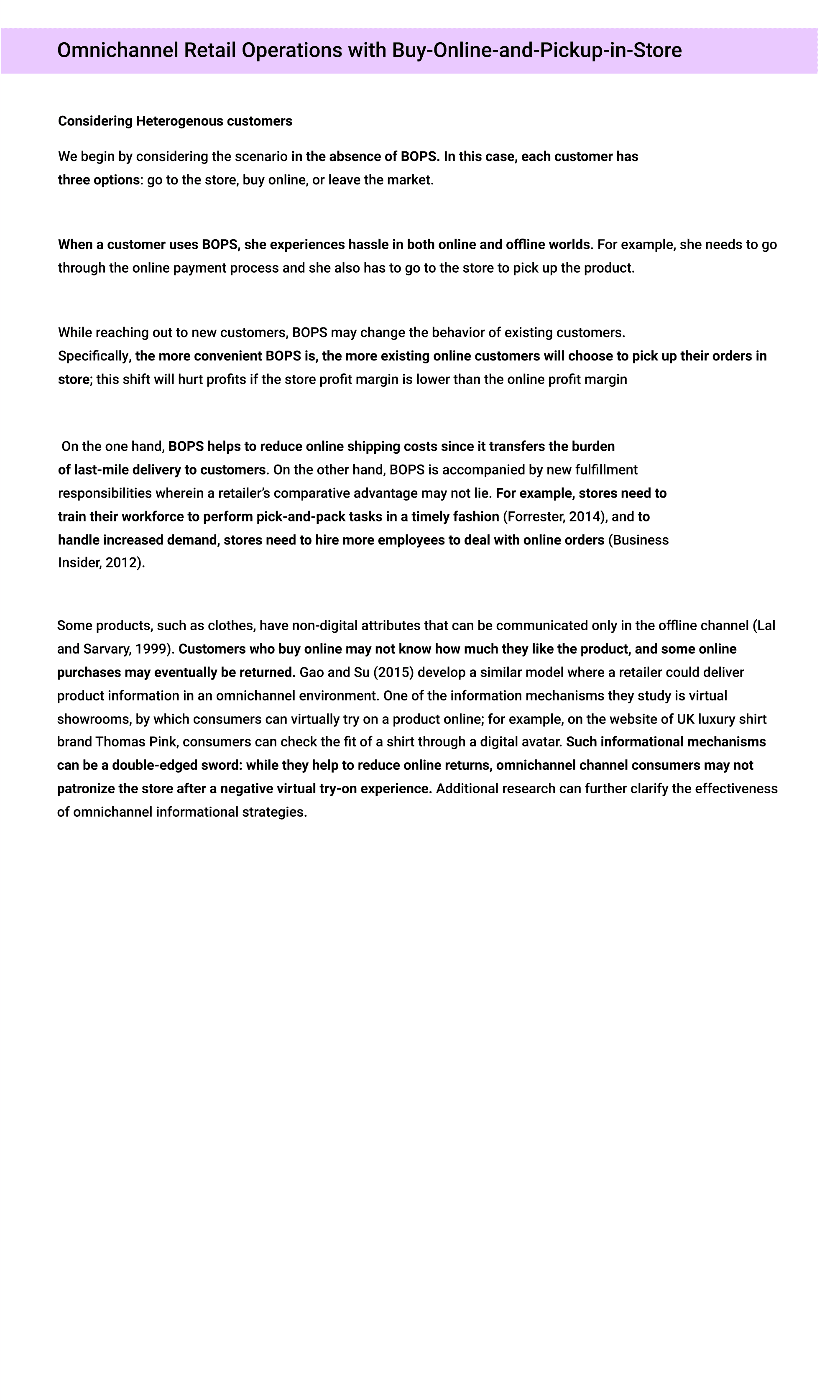
The customer’s decision of the choice of channel - store, online or BOPS - depends on the channel which cost the customer the least i.e. the least hassle cost.
Possible BOPS ( Buy Online/Pick Up in Store) Use Case
Based on some early research I did (customers review on TripAdvisor), the availability of some products on the shelf is fickle (no hay) - therefore, a product one purchased last month may become unavailable in the following month. A potential use case for BOPS is that customers use it to confirm availability of some products on shelf before coming to the store.


Understanding customers’ and retailers’ motivations for adopting pickup
Consumer Psychology based on Omnichannel journal
The customer’s decision of the choice of channel - store, online, or BOPS - depends on the channel which costs the customer the least i.e. the least hassle cost.

The above result highlights the importance of shopping convenience for BOPS to attract consumers to the store. By additionally providing convenience, BOPS becomes more powerful than a pure information-sharing mechanism. In the “BOPS (Convenience)” region of Figure 1b, a pure information-sharing mechanism can never attract customers to the store; even if customers are guaranteed availability in-store, they still prefer to buy online because the online hassle cost is lower than the store hassle cost (i.e., ho < hs). However, once BOPS is available and provides convenience that trumps an online order (i.e., hb < ho), customers may now prefer to buy online and pick up in-store.
On the other hand, when the pickup process is relatively hassle-free, consumers will indeed buy
online and pick up in-store. In this case, apart from eliminating the risk of stockouts as described
above, BOPS also provides consumers with a more convenient means of shopping.


What are some of the problems with implementing pickup?
Effects of BOPS The former effect (information effect) helps attract customers to the store by letting them know about inventory availability, but it is a double-edged sword in that when inventory is not available, it turns away customers who might be willing to visit the store.
The latter effect (convenience effect) applies when customers use the store pickup functionality, as opposed to simply using BOPS as a source of availability information; it draws customers to the store and may even open up new sources of demand.
Gap and Levi’s provide real-time availability information on their website. Insight for Revenue Generation
THE PROBLEM WITH DRIVE-THROUGH AND THE SOLUTION
Improving the Pickup Process:
Goal: Make pickup faster and more efficient.
Challenge: This could mean fewer customers entering the store, which may reduce opportunities for additional sales (cross-selling).
Solution for Maintaining Sales:
Strategy: Install screens at pickup points to advertise products.
Purpose: These screens will show items that are similar or complementary to the customer's purchase, encouraging extra purchases.
Handling Order Backlogs:
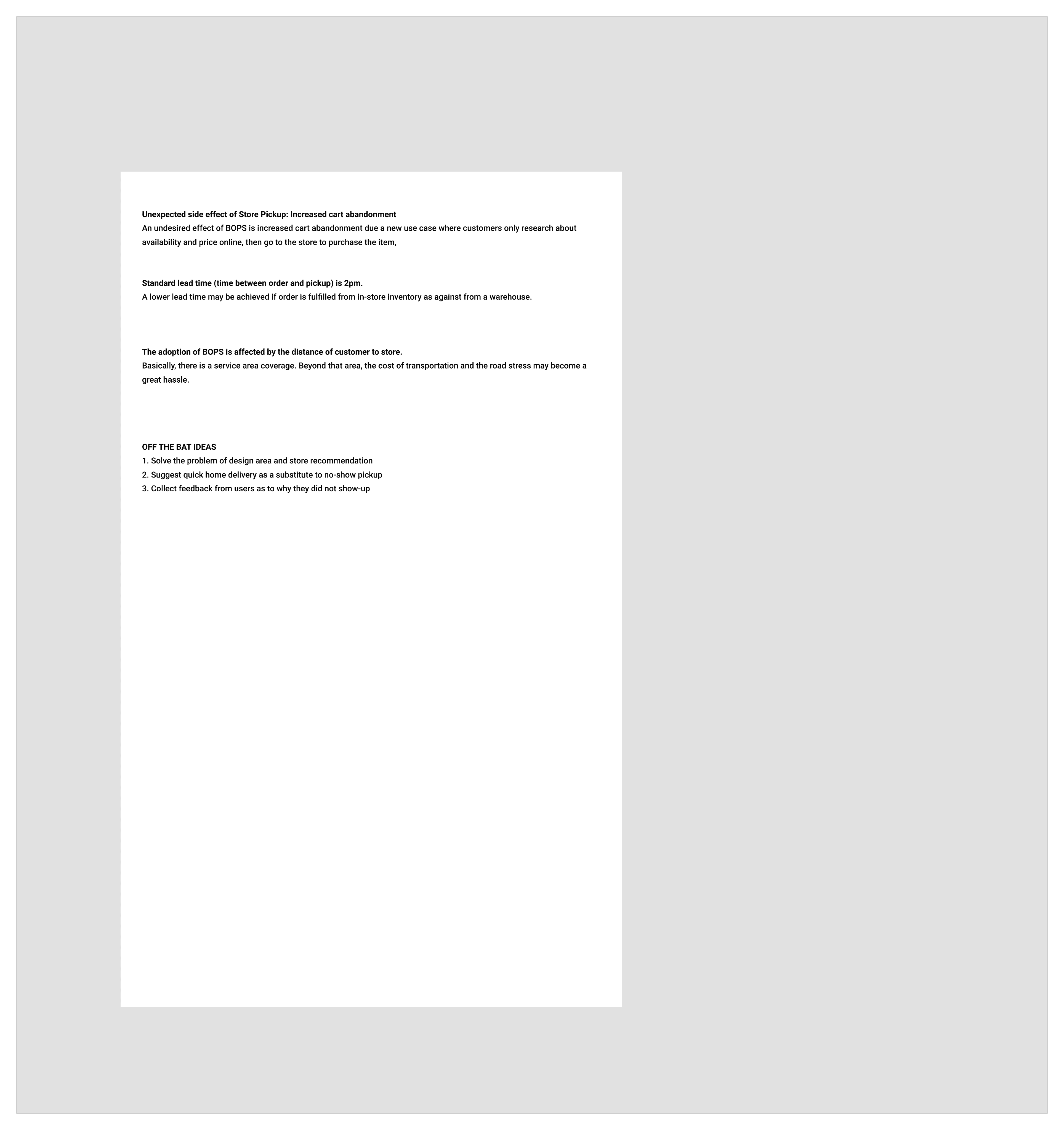
Current Situation: More than 25% of 'Pick-Up Today' (PUT) orders are backordered.
Impact on Customers: This leads to delays for about one in four customers.
Balancing BOPS Service:
Issue: We need to find a balance between the inventory cost for us and the travel cost for customers.
Inventory Cost vs. Travel Cost:
If the inventory cost is too high, it's not viable to offer the service to distant customers.
If the travel cost is too high, customers are discouraged from using the service.
Optimal Strategies:
Inventory-Cost-Dominated Case:
Ideal Pricing: Set prices equal to the inventory cost for the farthest BOPS customers.
Risk: Increasing prices or expanding service areas could lead to losses.
Travelcost-Dominated Case:
Challenge: Avoid setting prices that are too high or expanding the service area excessively, as it deters customers.
Risk: High prices and travel costs can reduce physical store visits by customers at the edge of the service area.